
A Journey of Silence: Embracing My Autism After 26 Years
Throughout my life, I have often been torn between the comfort of silence and the need for expression—a conflict intensified by my diagnosis of autism spectrum disorder (ASD) at just 13. I grew up in an era when conversations about neurodiversity were scarce, especially in contexts that demanded openness and vulnerability. Today, this cultural landscape has transformed significantly, with a growing awareness of autism that has made discussions not only acceptable but celebrated. Many communities are now creating dedicated events to foster understanding and connection, showcasing the positive impact of sharing our stories.
The Cultural Shift in Understanding Autism
As I reflect on my journey, it's evident that societal perceptions of autism have come a long way. Shows like Netflix's “Love on the Spectrum” spotlight real relationships built within the autism community, providing visibility and understanding that was previously absent. Additionally, public figures like Elon Musk and Bella Ramsey have used their platforms to share their experiences, fostering an environment ripe for discussion. We live in a time where the narrative is being reshaped—a much-needed change for those of us who have felt isolated by our differences. Schools are now integrating neurodiversity awareness into their curricula, helping to prepare younger generations for a more inclusive future.
Why I Chose Silence—And Why It Was Damaging
Despite this cultural evolution, I chose silence for over two decades. My fear was palpable: that revealing my diagnosis would paint a target on my back within the entertainment industry, especially in a field where vulnerability can often lead to scrutiny. The cancel culture we live in pushes those who stumble into an unforgiving spotlight, leaving no space for grace or recovery. An episode of emotional dysregulation during a professional engagement in late 2024 crystallized this fear into reality. In a moment fraught with shame, I hurt someone close, leading to a breaking point and causing relationships to dwindle. The isolating experience that followed taught me that silence is not a blanket of safety; rather, it can become a suffocating shroud.
Transformative Moments in Comedy
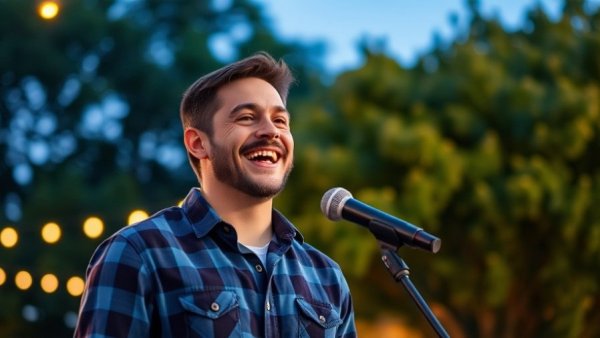
My diagnosis, often perceived as a hurdle, has simultaneously fueled my passion for stand-up comedy. The stage offered me a unique form of liberation—a realm where I can turn emotional struggles into laughter. This therapeutic expression resonates with many, showcasing the complexity of neurodivergent voices. Icons like Robin Williams and Richard Pryor remind us that our challenges can produce some of the most profound comedic insights. Yet, it took me time to reconcile that my emotional experiences could be an asset. The intensity of those moments transforms not just the material I create, but also the audience’s connection, allowing me to put the struggles of being neurodivergent into a relatable frame for my audience. Embracing my diagnosis has granted me a new perspective on comedy—one that emphasizes authenticity and vulnerability as strengths rather than weaknesses.
Local Resources for Autistic Individuals in Muskegon
For those navigating their own journeys, local resources can provide essential support. In Muskegon, autism therapy centers offer tailored treatment plans, while sensory-friendly venues create safe spaces for social interaction. Effective communication aids and resources for recognizing autism behavior signs are readily accessible, empowering individuals and their families with tools needed for understanding and acceptance. Community support groups serve as lifelines, fostering deep connections among families navigating similar challenges. Local events, such as autism awareness walks and cultural festivals, also play a pivotal role in bringing people together, emphasizing the importance of inclusion and understanding in fostering a supportive environment. Notably, autism conferences often feature workshops and talks that highlight the latest research and innovative care methods, continuing to advance awareness and acceptance within our communities.
Building Bridges Through Shared Experiences
Ultimately, sharing my story is an invitation to open up conversations about autism. It's about recognizing that silence can often do more harm than good. As I view my experiences in light of the growing acceptance within our culture, I am hopeful. As awareness continues to flourish, each person who voices their journey contributes to a larger narrative—one where neurodivergent individuals feel seen, valued, and understood. For families in Muskegon working with adult autism services and teen autism resources, the path towards acceptance is illuminated by shared human experiences. When we embrace vulnerability, we allow for connection and healing. Embracing our true identities not only aids our personal growth but also paves the way for others to do the same.
Join the Conversation
As we move forward together, let us bolster networks of support and advocacy. The journey through autism does not have to be one that is traveled alone; community resources in Muskegon can provide assistance and insights to help navigate this terrain effectively. If you or a loved one is seeking to connect with advocacy organizations or find specialized autism services, take the time to explore what is available in your area. Foster care initiatives, mentorship programs, and educational workshops can make a transformational difference in lives. It’s never too late to speak out, to share, and ultimately, to foster a society that embraces all differences with empathy and kindness. Together, as we voice our experiences and build supportive channels, we cultivate a compassionate community that thrives on diversity, respect, and collaboration.




Write A Comment