
Understanding the Impact of Federal Healthcare Cuts on Seniors
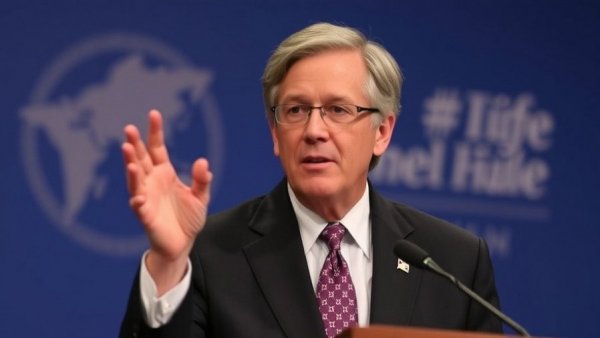
In recent discussions surrounding the future of healthcare, a pressing issue has emerged: the potential loss of essential healthcare services due to federal cuts. Jennifer McClellan, a prominent advocate for elder healthcare rights, has raised the alarm about how these cuts could disproportionately affect seniors and those with chronic conditions. With hundreds of thousands of older adults relying on federal healthcare programs for necessary medical services, the implications could be severe.
The Disturbing Reality of Cuts in Senior Health Services
Federal funding streams directed towards senior medical services have been gradually shifting, resulting in fewer resources available for vital programs. As many as one in three seniors depend on public health programs such as Medicare, making these cuts a serious concern for maintaining adequate elder care healthcare providers. Changes to funding affect the accessibility of home-based medical care for seniors, putting a strain on both senior in-home health services and vital preventive care initiatives.
Navigating the Complexities of Senior Healthcare
Understanding the nuances of healthcare changes can be daunting. The reality is that seniors often face complex healthcare needs and may require a coordinated approach to manage their health effectively. Many will need to navigate through senior primary care services and geriatric care providers to find the right assistance. It's more essential than ever for families and seniors to be proactive in seeking out the information and resources available. Knowledge of available healthcare plans for older adults and understanding how to access these services is key to ensuring proper support.
How These Cuts Affect Daily Life for Seniors
When healthcare options decline, the impact on seniors can be profound. Without adequate coverage through senior health assistance programs, older adults may find themselves unable to afford necessary treatments, leading to worsening health conditions. Suggestions for effective long-term medical care for elderly adults can quickly become out of reach, increasing the emotional and financial burden on families. Sharing stories from affected families can underline the reality of this situation; many find themselves juggling budgets while caring for aging parents who need in-home medical care for aging parents.
In Support of Advocacy and Action
Advocating for senior health coverage is crucial in times like these. Organizations and community leaders must work closely with policymakers to bring attention to the specific healthcare needs of the aging population. This rhetoric translates into real action. From providing healthcare navigation support to enhancing medical assistance for aging adults, it is vital that community members engage and lobby for the necessary support systems in place.
In response to these looming threats, campaigns promoting senior health advocacy and support are fundamentally important. Communities should encourage seniors to connect with local resources, stay informed about changes in healthcare policies, and utilize benefits they are eligible for.
Take Action for Better Health Outcomes
Now more than ever, seniors and their families must unite to advocate for essential healthcare support. Understanding elder health management solutions, engaging with elder healthcare resource guidance, and seeking information about available services can empower them to fight against impending cuts. Together, we can ensure that seniors continue to receive the healthcare they need to thrive.





Write A Comment