
The Evolving Landscape of Healthcare Costs
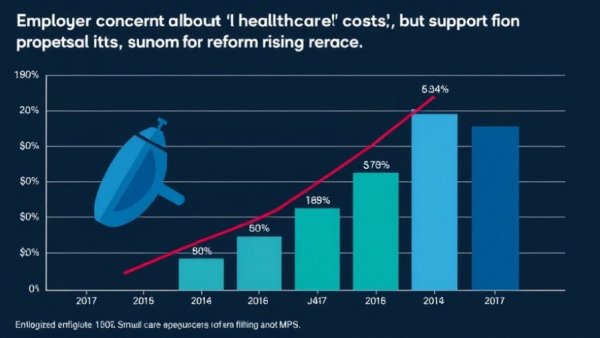
In recent years, the conversation surrounding healthcare costs has dramatically changed, especially among employers. An increasing number of companies have shown a marked decline in their concerns over rising healthcare expenses, a trend that may surprise many, especially seniors who often face these costs directly. As hiring practices normalise post-pandemic, employers are shifting their focus toward more supportive pathways for their employees, which brings hope for many aging individuals.
Growing Support for Healthcare Reform
While employers are easing their worries about healthcare costs, their support for healthcare reform is becoming stronger than ever. This shift is encouraging as it aligns with the growing need for comprehensive healthcare solutions tailored specifically for seniors. With many older adults relying on various medical services, including preventive care and chronic condition management, this newfound backing could pave the way for more sustainable healthcare options in the future.
Challenges Faced by Seniors in Healthcare Access
Despite the positive trends in employer attitudes, seniors still face significant barriers in accessing quality healthcare. The landscape of medical services for older adults can be confusing, often requiring complex navigation through various healthcare plans and options. Understanding senior primary care services, home-based medical care, and the breadth of elder care healthcare providers becomes imperative for ensuring that older adults receive the care they need.
The Importance of Senior Health Advocacy
Advocating for senior health is an essential component of creating a more inclusive healthcare environment. With the aging population growing at an unprecedented rate, it's crucial for advocacy groups to educate both seniors and their families about the various medical support systems available. Whether through local elder care resources or national programs, awareness can significantly improve healthcare access and outcomes.
What Seniors Can Do Now
As employers and policymakers slowly prioritise healthcare reform, seniors can take proactive steps to better manage their healthcare needs. Engaging in health advocacy, seeking coordinated healthcare services, and exploring senior-focused medical care options can help build a more supportive healthcare experience. Furthermore, staying informed about medical assistance options and long-term care solutions is vital.
Conclusion
The dynamic shifts in employer attitudes toward healthcare costs, coupled with increased support for reform, herald promising changes in the healthcare landscape. By understanding the available resources and taking action, seniors can navigate the complexities of healthcare more effectively and ensure they receive the necessary medical care they deserve.





Write A Comment