
Understanding the Intersection of Autism and Vaccines
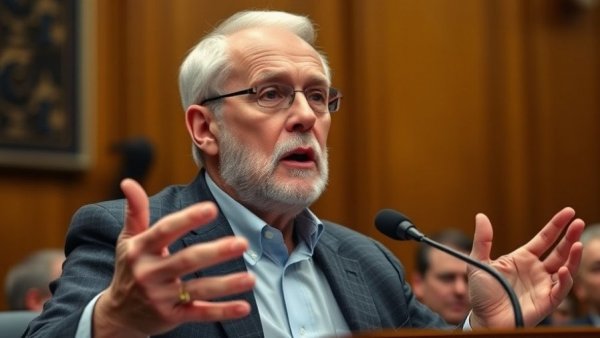
In a recent and heated television interview, Health and Human Services (HHS) Secretary Robert F. Kennedy Jr. expressed that he believes President Trump wants him to investigate the long-debated connections between vaccines and autism. This remark comes at a time when public doubts about vaccination safety continue to resonate within certain communities. Kennedy's claims, made during an exchange with CNN's Dana Bash, prompted heated discussion as she pointed out the overwhelming scientific consensus—that there is no credible evidence linking vaccines to autism. With studies involving millions showing no correlations, why does this conversation persist?
Dispelling Myths with Facts
During the interview, Bash emphatically highlighted that over 40 studies through rigorous research have established a lack of connection between vaccines and autism. She referenced the American Academy of Pediatrics, which has consistently supported the notion that vaccines are safe and effective. However, Kennedy countered this argument by claiming that essential research into the safety of the vaccines administered to infants had yet to be conducted, which reopens discussions that many had hoped were settled.
This situation echoes the sentiments of many caregivers navigating autism spectrum disorders (ASD)—the need for accurate and trustworthy information. Parents often grapple with conflicting narratives about autism treatment and prevention, navigating the fine line between skepticism and trust in health guidelines. This is particularly relevant given the emotional and financial stakes involved in seeking appropriate treatments, therapies, and supports for their children.
The Role of Misinformation in Autism Treatment
The ongoing dialogue about vaccines and autism highlights the complexities of public perception and health policy. Misinformation can disrupt community trust, especially when it touches the often emotionally charged topic of autism. It is vital for those processing these narratives to seek clarity through reliable sources, particularly as the U.S. continues to debate autism therapies and public health responses.
Moreover, social media platforms often amplify misinformation, making it even harder for families to discern fact from fiction as they search for answers. This makes it essential for healthcare providers and communities to work together to create clear, accessible, and robust educational materials that counteract misleading claims while emphasizing the importance of vaccinations in preventing outbreaks of serious diseases.
Meanwhile, families in the community can benefit from support networks that deal with autism. From personalized autism treatment centers in Muskegon to sensory-friendly venues that accommodate individuals with autism, resources continue to emerge, providing families with the tools they need to navigate this intricate landscape. Activities and outings designed specifically for those on the spectrum help to foster social skills, build friendship networks, and create a sense of belonging—elements that are crucial for adaptive living.
Exploring the Community Resources
Muskegon, along with many other locales, is home to dedicated resources for families affected by autism. Comprehensive autism diagnosis guides are now available, along with practical parenting strategies that empower families. Programs that foster peer relationships among autistic children are essential in combating social isolation, while strategies for managing meltdowns are critical for parents faced with daily challenges. The importance of community-based support systems should not be underestimated as families navigate the complexities that come with raising autistic children.
Moreover, parenting techniques that encourage emotional regulation can significantly improve the quality of life for autistic individuals. Exploring options such as music therapy and art therapy can enrich the experiences of those on the spectrum, guiding them through their unique mental landscape. Engaging with therapists who understand the nuances of autism can also equip parents with methodologies that enhance everyday interactions, enabling autistic individuals to express themselves more fully.
The Importance of Inclusive Education and Advocacy
Inclusive education for autistic students is another area that deserves focus. Parents and educators must advocate for the rights of autistic students, ensuring that they receive the support they need. As those in Muskegon strive to create accommodating educational environments, there’s a forward momentum toward systemic changes that reflect the needs of all learners. Schools adopting inclusive policies not only aid autistic students but also foster greater understanding among non-autistic peers, cultivating a sense of community and empathy.
Engaging with leading autism advocacy organizations in the community fosters awareness and resource sharing. These networks are crucial for highlighting the challenges faced by autistic individuals and their families, driving conversation and research to guide future policy. Collaboration between schools, healthcare providers, and families promotes a more holistic understanding of autism and encourages positive outcomes in education and beyond.
Looking Ahead: Navigating the Autistic Experience
As discussions around vaccinations continue, it remains critical to focus on the well-being and support for those with autism. Families are encouraged to lead proactive conversations with healthcare providers, grounding them in science and facts instead of remnants of misinformation. Tools and techniques that unveil practical insights around autism can empower communities to advocate effectively for the necessary resources and support systems.
On the horizon, the evolving landscape of research and support suggests a future filled with hope and understanding for those on the autism spectrum. By working together, communities can enhance the quality of life for all individuals and promote an inclusive environment where every voice and experience is heralded. Continued advocacy, education, and accessible support can ensure that all families affected by autism feel recognized and celebrated in their unique journeys.





Write A Comment