Add Row
Add Element
cropper
update
Senior Benefits Insider 
update
Add Element
  • Home
  • Categories
    • Senior Coverage Programs
    • Senior Health & Wellness
    • Social Security News
    • Across The Ages
    • Medical Research & Conditions
    • Community & Business Spotlight
    • Independent Living
    • Retirement and Financial Security
June 24.2025
3 Minutes Read

Revolutionizing Senior Care: RFK Jr.'s Vision for Health Insurance Reform

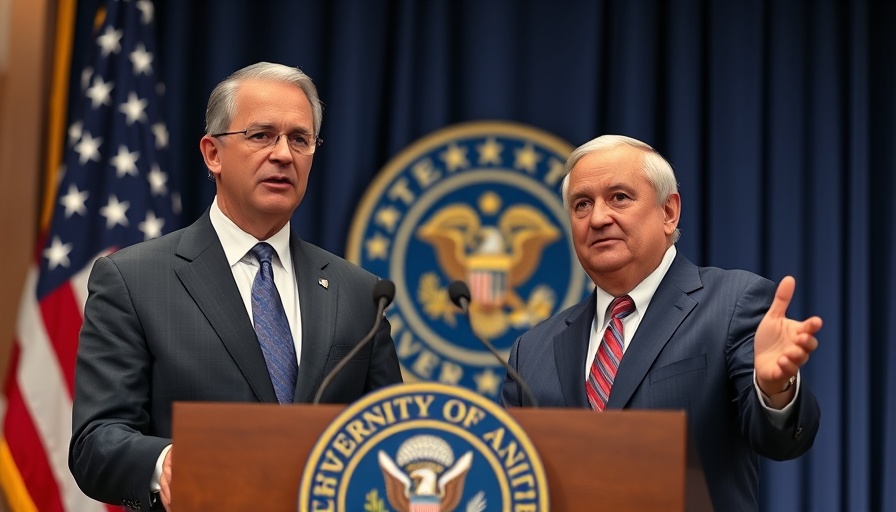
Men in suits at health policy conference podium.

Health Care Shakeup: RFK Jr. and the Future of Insurance

In a significant move promising transformative change, Health and Human Services Secretary Robert F. Kennedy, Jr. recently announced reforms in the prior authorization policies of several major health insurance providers. With nearly 257 million Americans affected, this initiative aims to streamline access to much-needed healthcare by cutting excessive bureaucracy that often leaves patients frustrated and without timely care.

Tackling Bureaucratic Barriers

At a meeting in Washington D.C., attended by representatives from leading insurance companies like Aetna, Blue Cross Blue Shield, and Cigna, Kennedy expressed a pressing need to revise the current system. “Americans shouldn’t have to negotiate with their insurer to get the care they need,” he asserted. Prior authorization, a common practice that requires insurers to approve certain treatments, has been known to delay or even derail patients' access to essential services, particularly within vulnerable communities such as the elderly and those with chronic conditions.

The Burden on Families and Caregivers

For many caregivers, navigating the health insurance landscape can be a daunting and often discouraging experience. The proposed changes include the development of a standardized electronic prior authorization system and the commitment to reduce the number of treatments that require prior approval. This is especially important for families caring for elderly loved ones, as timely access to services is crucial for effective care. The ongoing struggle to understand and comply with insurance demands detracts from the emotional and practical aspects of caregiving.

The Ripple Effect on Senior Care Solutions

In Muskegon and elsewhere, the ripple effects of these reforms could lead to enhanced access to senior care solutions, grounding the support networks that exist for adult care and assisted living facilitation. Caregiver community groups may find it easier to advocate for the needs of those they support, thanks to lessened red tape. Reduced delays in accessing dementia assistance and financial aid for Alzheimer’s support facilities can bolster the infrastructure surrounding elderly care, creating a more robust and responsive environment for the aging population.

What This Means for the Elderly Community

These changes come at a crucial time as America's elderly demographic grows, demanding more thoughtful and informed healthcare solutions. The increase in mental health support—through resources like cognitive care facilities and emotional support groups—will be essential to meet the rising needs in a timely manner. Plans for real-time responses to authorization requests are set for implementation by 2027, promising a shift toward a more proactive rather than reactive healthcare framework.

Community Resources You Can Trust

For those seeking insurance options for senior care in Muskegon, becoming familiar with the latest developments is vital. Elderly contact services and community resources can significantly improve family support. Engaging in local networks can foster a deeper understanding of the available welfare programs for elders, ensuring that caregivers are informed and empowered to navigate these changes effectively.

Moving Forward: Insightful Changes Ahead

As these proposals unfold, they highlight an increasingly urgent need for systemic reforms in health insurance. The reforms are not just about reducing costs or improving insurance company efficiency; they are fundamentally about restoring dignity to the healthcare process, ensuring that physicians and patients can focus on what matters—getting patients the care which they deserve without unnecessary hurdles. This convergence of interests among healthcare providers and insurers marks a significant step towards meaningful change.

Call to Action: Get Involved

Empowering yourself and others within your community can enhance the support system for those dealing with the challenges of aging. Learning about available resources and joining community conversations can inspire others to advocate for continued improvements in healthcare access for everyone. Stay informed on proposals and engage with local elder services offices to ensure that your voice is heard.

Senior Coverage Programs

1 Views

0 Comments

Write A Comment

*
*
Related Posts All Posts
12.22.2025

How Obamacare's Changes Impact Middle-Class Families Seeking Insurance

Update The Rising Cost of Health Insurance in America The recent expiration of COVID-related subsidies has left middle-class families grappling with exorbitant health insurance premiums. For Stacy Newton, a resident of Alta, Wyoming, the only health insurance option available is a staggering $43,000 annual premium. This situation is not unique to her family; it is a growing concern for many Americans estimated to be caught in a similar squeeze as the Affordable Care Act (ACA) faces critical funding uncertainties. How Expired Subsidies Influence Insurance Markets As reported by various health policy experts, the end of enhanced premium tax credits that once protected many households from steep insurance costs will lead to a significant shift in the ACA marketplace. Prior enhancements allowed families to cap their premiums at no more than 8.5% of their income; with that buffer disappearing, millions may find themselves unable to afford coverage, triggering a wave of cancellations and increased uninsured rates. Impending Economic Pressures Faced by Working Families

12.20.2025

Trump's Bold Move: Calling on Insurers to Slash Premium Costs

Update Trump's New Health Care Initiative: A Push for Lower Insurance Premiums Recently, President Trump made headlines with his announcement aimed at reducing health insurance premiums for American citizens. As we approach the end of 2025, the expiration of enhanced Obamacare subsidies is set to cause a sharp increase in insurance costs for over 20 million individuals. Trump’s goal is clear: to pressurize major insurance companies into slashing prices significantly in order to alleviate the financial burden on American families. A Shocking Announcement During a press event at the White House, Trump boldly declared, "I’m going to call in the insurance companies that are making so much money, and they have to make less, a lot less." This statement underscores his belief that insurers are reaping excessive profits at the expense of consumers. The repercussions were swift, with shares of major health insurers like UnitedHealth and Cigna taking a notable dive following these remarks. Impact of Ending Enhanced Subsidies The expiration of these enhanced subsidies on December 31, 2025, threatens to double out-of-pocket premium costs for millions of Americans in 2026. For the elderly and vulnerable populations, such as those in Muskegon, this could lead to dire consequences. The necessary support services, including cognitive care and long-term health coverage, may become unaffordable, impacting their quality of life significantly. Negotiations with Insurers: Will They Comply? Trump's call to action isn’t merely a wishful idea; he believes that with the right pressure, insurers will respond positively and cut prices. His proposal hints at potential negotiations aiming for reductions of up to 70%-80%. However, the feasibility of these cuts remains in question. Insurers have been advocating for the continuation of the enhanced subsidies rather than direct negotiations about their pricing. The Bigger Picture: Politics and Health Care Trump's ideological stance reflects a significant shift in the ongoing debate surrounding health care financing in the U.S. By suggesting that funding directly benefits taxpayers rather than insurance companies, he aims to put the focus back on individual consumers. Trump's approach could shift healthcare policies in a way that may resonate with caregivers and families seeking financial relief amidst rising health care costs. What This Means for Caregivers in Muskegon The potential cuts in premiums could provide essential relief for caregivers in Muskegon, aiding their ability to access essential services for the elderly and those requiring long-term care. By encouraging greater affordability in health services, families will be better positioned to afford necessary support—a crucial concern for those involved in assisting the elderly population and managing costs associated with cognitive care and Alzheimer’s support facilities. Conclusion: What’s Next? As we witness the unfolding of this initiative, the focus remains on how insurance companies will respond and if this will lead to meaningful reductions in premiums. For families in Muskegon and similar communities, the hope is that these discussions translate into tangible benefits that enhance their quality of life and provide financial security for the elderly. For caregivers and families navigating these challenges, staying informed about these developments and advocating for senior care solutions is critical. Engaging with local support networks can amplify the message that affordable health care is a necessity, not a luxury. Your voice matters in this crucial conversation about health and affordability!

12.19.2025

Unlocking 8 Essential Government Benefits for Seniors in 2026

Update Government Benefits for Seniors: A Critical LifelineAs Brazil approaches 2026, seniors over the age of 60 stand to gain substantial government benefits aimed at easing financial burdens and improving quality of life. Eight distinct advantages are set to be available, from discounts on cultural events to exemption from property tax, and free medical care through the country's public healthcare system. Understanding these benefits is crucial for seniors looking to make the most of their entitlements.Understanding the Eight Key BenefitsHere’s a comprehensive overview of the eight benefits seniors can access:Half-Price Cultural Event Tickets: Seniors can enjoy significant reductions on entry to concerts, theater performances, and other cultural events.Free Urban Transportation: The government will provide free access to public transportation, making mobility easier and more affordable for older citizens.Discounts on Interstate Bus Travel: Traveling between states will be more accessible thanks to discounted fares for seniors.Free Medication: Many essential medicines will be available for free to seniors through the Sistema Único de Saúde (SUS) and the Farmácia Popular programs.Property Tax Exemption: In select locations, seniors will be exempt from paying property taxes, allowing them to keep more money in their pockets for other necessities.Preferential Treatment: Services in both public and private sectors will prioritize seniors, enhancing their overall access to necessary resources and support.Continuous Cash Benefit (BPC): Those aged 65 or older who meet specific criteria will receive a minimum wage payment from the BPC to help with living expenses.Free Health Services: Seniors will receive free medication and medical supplies (such as diapers) at health units across the country.These benefits represent a significant lifeline for older adults, potentially reducing their financial strain and improving their living standards. However, awareness and accessibility are crucial.Ensure You Know Your RightsDespite these promising benefits, many eligible seniors remain unaware of their rights under the Statute of the Elderly. This Brazilian law, enacted in 2003, is designed to protect aged citizens and guarantee them various advantages. As a strategy to maximize the impact of these benefits, seniors are encouraged to familiarize themselves with the application processes and required documentation to ensure no one misses out on vital support.Where to Seek HelpIf you or a loved one resides in Muskegon and meets the eligibility criteria, various local organizations are on hand to guide seniors through their options. Health clinics in Muskegon serve as valuable resources for those needing assistance navigating healthcare benefits. From low-cost health insurance plans to free healthcare services, these clinics provide a pathway to essential medical support for seniors.The Larger Context: Brazil's Financial LandscapeThe expansion of benefits for adults over 60 coincides with broader trends in Brazilian social spending. According to projections, pension expenditures are expected to top R$1 trillion in 2026, primarily driven by an increasing number of beneficiaries and minimum wage hikes. While this raises concerns about the sustainability of such programs, the government is focused on enhancing social safety nets, recognizing their essential role in supporting vulnerable populations, especially seniors.What This Means Moving ForwardAs 2026 approaches, it is essential for seniors and their families to remain informed about their rights and the benefits available to them. The government's commitment to enhancing support for older adults embodies a crucial step towards a more equitable society. Furthermore, understanding how to navigate the complexities of healthcare options in Muskegon, including low-cost clinics and mental health services, will empower seniors to obtain the assistance they need.

Terms of Service

Privacy Policy

Core Modal Title

Sorry, no results found

You Might Find These Articles Interesting

T
Please Check Your Email
We Will Be Following Up Shortly
*
*
*