
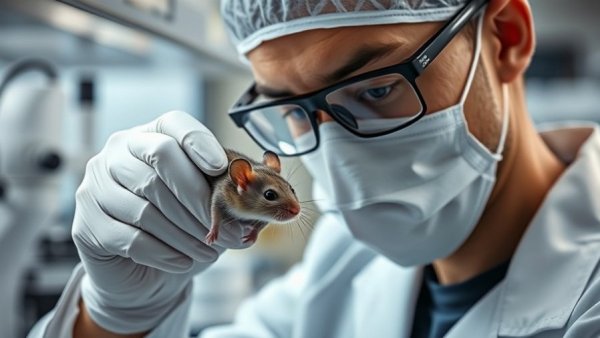
A Breakthrough in Autism Research
Recent advances in autism research have taken an exciting turn, with researchers successfully reversing autism-like symptoms in mice with a single dose of a drug. This groundbreaking finding could pave the way for new therapies and treatments that address autism spectrum disorders (ASDs) more effectively. Ultimately, this means possibility; it hints at a future where individuals on the autism spectrum might see notable improvements in their lives through advanced medical interventions. The implications of such research extend beyond the lab and could significantly transform the landscape of autism treatment as we know it.
Understanding Autism Spectrum Disorders
ASDs encompass a range of symptoms and challenges. Individuals may struggle with social interactions, communicate differently, and respond uniquely to their environment, including sensory stimuli. With the prevalence of autism reported to affect approximately 1 in 54 children in the U.S., understanding these disorders has never been more critical for families and communities. Programs that support personalized autism treatment in Muskegon and across the country are vital for helping those on the spectrum receive the care they need. Resources that focus on early diagnosis and intervention can empower families and provide them with the tools necessary to support their loved ones effectively.
The Role of Neurodiversity in Treatment Options
As society moves towards greater awareness of neurodiversity, it’s essential to appreciate that autism is not a homogeneous experience. Each individual has unique strengths and challenges that contribute to their identity. The neurodiversity movement advocates for acceptance and understanding, which in return fosters innovative treatments tailored to personal needs. Families might find tools like emotional regulation strategies or practical parenting tips that can help autistic individuals thrive in their environments. Schools are increasingly adopting inclusive practices that embrace neurodiversity, and community efforts are focused on creating spaces where differences are celebrated rather than stigmatized.
Future Predictions: What Lies Ahead?
Looking forward, potential therapies derived from this research could lead to significant changes in how autism is approached. As this field advances, there will likely be a greater emphasis on developing effective communication aids for autism in Muskegon and establishing sensory-friendly venues that accommodate autistic individuals, enhancing their quality of life. Innovations in technology may also play a crucial role; apps and devices designed for better social communication are on the rise, providing tools for individuals to express themselves more freely. This could ultimately lead to a more connected society where everyone has a voice.
Support Networks: The Key to Empowerment
Connecting with autism support groups and leading advocacy organizations in Muskegon is crucial for families navigating the complexities of autism. These groups provide valuable resources, such as information on the rights of autistic students, guidance on comprehensive diagnosis, and access to therapy options, which can facilitate better outcomes. Building a robust support network can also provide emotional reassurance and practical help to families, allowing them to share experiences and strategies that work. Engaging with community events and workshops further enhances awareness and understanding among the wider population, creating an inclusive atmosphere.
Personal Stories: Inspiration and Resilience
Behind every clinical finding, there are real stories of families and individuals who inspire. Consider Jane, a mother from Muskegon, who dedicated her life to finding effective autism therapies for her son. Her journey is one of resilience, showcasing the emotional landscape of those impacted by autism and the need for community support and understanding. Jane often shares her experiences at local events, helping to educate others about the challenges and triumphs associated with autism. By highlighting personal stories, we can foster empathy and encourage more compassionate approaches toward individuals on the spectrum.
Creating an Inclusive Future
As the dialogue around autism evolves, so does the urgency for inclusive education methods and innovative therapy choices. It is essential that educators are trained to recognize and accommodate the needs of autistic students, ensuring that they receive an equitable education. By fostering peer relationships and accommodating autism in educational settings, we can build a future where autistic individuals feel accepted and valued within their communities. Initiatives like social skills groups, sensory rooms, and peer mentoring programs are gaining traction, offering positive outcomes for both neurotypical and autistic students.
A Call to Action: Get Involved
With each new breakthrough in autism research, there emerges an increased need for community involvement and advocacy. Individuals can engage with local organizations, volunteer at autism care centers in Muskegon, or advocate for policies that support neurodiversity. Fundraising efforts for autism research and awareness campaigns can also make a big difference. An informed and compassionate community is essential to support and empower those with autism, so it’s imperative to join the conversation and make a difference! By working together, we can build a brighter, more inclusive future for everyone.





Write A Comment