
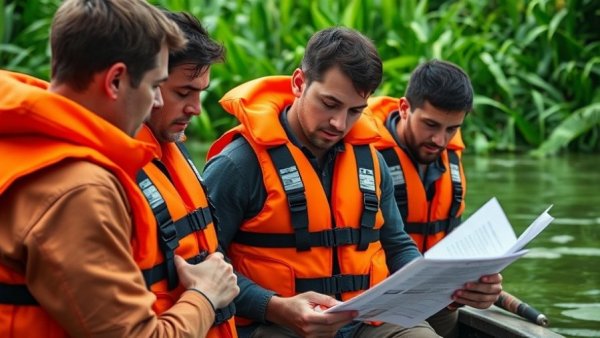
Assessing Health Risks in the Wake of Floods
In response to the devastating floods that have struck Odisha, senior officials from the health and family welfare department have been dispatched to review and enhance post-flood health measures. This significant step aims to ensure that the affected communities receive timely medical support while monitoring potential disease outbreaks that often follow such catastrophes.
Collaboration for Effective Response
The officials, including special secretary Dr. Bijay Mishra and several directors, have been assigned to specific flood-hit districts to work closely with local administrations and health workers. Their primary mission is to ensure that healthcare arrangements are effectively set up and that contingencies for emerging health problems are prepared. This collaborative approach is crucial in maintaining a quick and organized response to any public health crisis that arises.
Preventive Measures: Priority for Affected Areas
Chief Secretary Anu Garg emphasized the importance of sanitation and disinfection in preventing the spread of waterborne diseases. Following the receding of floodwaters, there will be a concerted effort to clean inundated areas, ensuring that they are safe for residents to return. The government's proactive steps include monitoring for conditions such as fever and diarrhea, which are common after floods due to contaminated water supplies.
Continuous Surveillance and Community Health
To prevent disease outbreaks, health teams are maintaining vigilant surveillance in vulnerable areas. Their goal is to detect health risks early and address any gaps in healthcare delivery. Regular reports from the field will enhance decision-making processes, ensuring that immediate corrective actions can be taken as necessary.
Looking Ahead: Awareness and Education
For communities affected by natural disasters, understanding the risks associated with flooding can empower residents to take preventive actions. Floods can have lasting psychological effects, impacting mental health alongside physical wellbeing. The collaboration between health authorities and local communities is critical in not only providing immediate medical assistance but also in fostering resilience against future health threats.
In these times, solutions such as affordable healthcare options and senior health programs in places like Muskegon emerge as vital resources for vulnerable populations. As individuals aged 80 and above navigate these challenges, access to health insurance solutions becomes increasingly important.
The deployment of senior health officials in flood-hit areas provides hope and reassurance. Their commitment to monitoring health risks highlights the importance of preparing against natural disasters by investing in community health solutions.





Write A Comment