
New Breakthrough in Alzheimer's Prediction
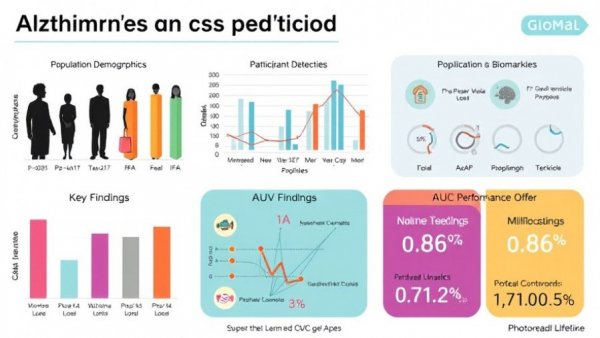
Recent research indicates a potential game-changer in the early prediction of Alzheimer's disease: a blood marker that detects protein misfolding appears to outperform the well-known P-tau 217 biomarker. This advancement marks a significant step forward in combating this complex disease that affects millions of elderly individuals around the globe.
Understanding the Importance of Early Detection
Alzheimer's disease is notoriously challenging to diagnose in its early stages. Typically, cognitive decline or memory loss prompts concerns, but these symptoms often arise well after the disease has started to affect the brain. The newly identified blood marker could enhance early detection, leading to timely interventions that can improve patient outcomes and quality of life. Early detection not only allows for earlier treatment but also gives families a chance to plan and access appropriate caregiving solutions.
The Promise of the New Blood Marker
The recent study has shown that this innovative blood test can identify protein misfolding with high accuracy, potentially surpassing existing methods like P-tau 217. This point is crucial as it presents new avenues for drug development and therapeutic strategies. By targeting the underlying biological mechanisms of Alzheimer's sooner, researchers hope to slow progression and improve patient care.
Implications for Elderly Care and Support Services
For caregivers and families in Muskegon and beyond, this advancement could lead to a more structured approach to long-term health coverage. Knowing a loved one is at risk enables family members to explore senior care solutions Muskegon, including assisted living services Muskegon and cognitive care facilities Muskegon. Moreover, early diagnosis can lead to better planning for future support needs and welfare programs for elders Muskegon.
Community Impact and Support Resources
It is critical for families dealing with Alzheimer's to connect with resources that can facilitate caregiving and provide emotional support. Community organizations in Muskegon offer a variety of options such as comprehensive caregiver community groups Muskegon, which serve as a vital support system. Through these channels, caregivers can access practical advice and share experiences, empowering them to better assist their loved ones.
Future Trends in Alzheimer's Research
The proliferation of innovative blood markers reflects a broader trend towards personalized medicine. Experts believe that as research progresses, we may see even more specific biomarkers that cater to individual patient profiles, allowing for tailored treatment plans. Moving forward, technological advancements—such as digital tools for senior aides Muskegon—could further revolutionize the way we address Alzheimer's care, enhancing the quality and efficiency of support services.
Encouraging Support for Caregivers
Caregivers play a critical role in the management of Alzheimer’s, often facing emotional and physical challenges. It's essential that they receive recognition and help. Resources like emotional support groups and structured caregiver education programs are invaluable. These initiatives create a network that provides not just information but a sense of community for those caring for loved ones diagnosed with Alzheimer's.
Armed with these insights, families in Muskegon are encouraged to take an active role in understanding Alzheimer's, exploring available health service plans Muskegon, and ensuring comprehensive care for their loved ones. Knowledge and preparation are crucial tools in the journey through Alzheimer's.





Write A Comment