
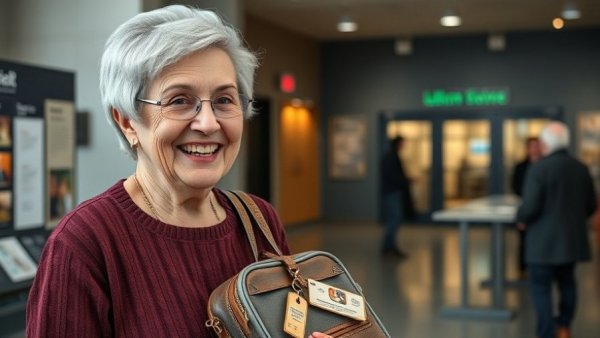
The Michener Museum: A Beacon for Autism Awareness
Nestled in the heart of Doylestown, Pennsylvania, the Michener Art Museum stands not only as a gallery showcasing the works of artists but also as a vital resource for families navigating the complexities of autism. Recently, the museum proudly announced the renewal of its Certified Autism Center (CAC) designation from The International Board of Credentialing and Continuing Education Standards. This certification marks a significant commitment to inclusivity and sensitivity towards neurodivergent visitors.
Why the Certification Matters
The certification process equips staff with crucial skills and knowledge, ensuring they can provide tailored support to autistic visitors and their families. According to Casey Repasey, Director of Learning and Engagement at the Michener, "This increases what the Michener is able to offer our visitors in terms of resources, and also expands our impact within the local community." This emphasis on community impact aligns with broader trends toward making public spaces more accessible and inclusive, a vital consideration in today's sociocultural landscape. By becoming a Certified Autism Center, the Michener demonstrates its commitment to fostering an atmosphere where everyone feels welcome and valued, paving the way for a richer cultural experience.
A Sensory-Friendly Experience
For those on the autism spectrum, sensory overload can be a barrier to enjoying cultural experiences. Recognizing this, the Michener offers sensory kits containing noise-reducing headphones, fidgets, and laminated communication boards. Visitors can check out these kits from the Visitors Services desk, allowing them to tailor their visit to their sensory needs. This thoughtful approach not only improves the overall experience for individuals but also fosters a culture of understanding and accommodation among all visitors. Understanding the importance of sensory sensitivities is crucial, as it enables the museum to create an environment where families can explore art without the anxiety often associated with public spaces.
Quiet Spaces and Guided Tours
The museum also features a dedicated quiet space located on its lower level, providing a much-needed retreat for those feeling overwhelmed. This quiet corner is thoughtfully designed to give visitors a break from the hustle and bustle of the museum floor. Furthermore, specially trained docents conduct inclusive tours aimed at engaging visitors on the autism spectrum. These tours not only provide a unique perspective on the museum's exhibits but also aim to engage visitors in a manner that respects their individual needs. Such initiatives enhance the museum experience for everyone and model behaviors for other institutions aiming to cater effectively to neurodivergent patrons.
Community Engagement and Funding
The renewal of the CAC designation was made possible by a grant from Foundations Community Partnership, ensuring that resources are channeled into creating an inclusive atmosphere. Such partnerships play a crucial role in sustaining community initiatives and highlight the importance of local foundations in furthering public service objectives. Support from community organizations and grants exemplifies a collaborative spirit where local stakeholders come together to uplift and support individuals with autism and their families. This relationship not only sustains the museum's programs but also enriches the community by promoting greater awareness and understanding.
Broader Implications: A Model for Other Institutions
The Michener sets an important precedent for cultural institutions everywhere. As awareness of autism spectrum disorders grows, the push for sensory-friendly venues becomes increasingly prominent in places like Muskegon, Michigan. The Michener's model encourages other institutions to explore similar programs, focusing on autism-inclusive educational initiatives, effective communication aids for autism, and the importance of accommodating autism in community settings. Institutions can learn from the Michener's success by implementing similar practices tailored to their unique audiences, ensuring that inclusivity becomes a standard rather than an exception.
Taking Action: How You Can Engage
By sharing the story of the Michener Museum and its commitment to the autism community, we can inspire other institutions to follow suit. Community members can advocate for sensory-friendly spaces in schools, local businesses, and communal areas, demonstrating the vital need for awareness and adaptation to accommodate all residents. Getting involved can make a real difference; advocating for changes in local policies to include sensory-friendly initiatives can transform public spaces, allowing everyone to access them comfortably. Engaging in local autism support groups can also catalyze further change and create more inclusive spaces for everyone. Every small action, whether it's participating in discussions or volunteering, contributes to a larger movement towards inclusivity.
Conclusion: Building Bonds Through Inclusivity
As we reflect on the significance of the Michener Art Museum renewing its autism certification, we affirm that fostering an environment of understanding is integral to building stronger community bonds. From sensory kits to tailored tours and quiet spaces, the Michener exemplifies how cultural institutions can play a critical role in supporting families navigating autism. By championing such inclusive initiatives, we contribute to a society that values and embraces diversity in all its forms. Let us advocate for and celebrate such initiatives, paving the way for a more inclusive future where every person can enjoy the richness of cultural experiences without barriers.





Write A Comment