
Racing Dreams: A Journey of Grit and Passion
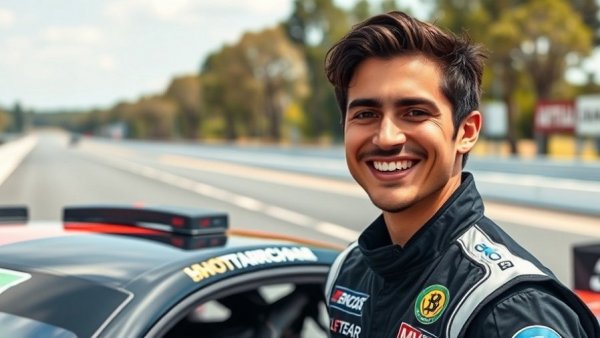
For many, the racetrack is a realm of roaring engines, intense competition, and the thrill of the finish line. But for one young racer, the racetrack is more than just sport; it's a pathway to acceptance, understanding, and opportunity. Meet Tyler, a talented driver on the autism spectrum, whose passion for racing fuels his dreams and inspires everyone around him. Every lap he takes signifies not only his love for speed but also a profound message about resilience and pursuing one’s passions despite obstacles.
The Heart of the Matter: Autism and Racing
Tyler’s journey began when he discovered the world of motorsports at a young age. With his unique perspective, he transformed challenges into stepping stones, propelling him toward achieving his dreams. Racing, he shares, serves as a form of therapy, allowing him to channel the complexities of neurodiversity into a passion that feels like second nature. The focus, the adrenaline, and the drive mirror the profound sense of freedom he experiences when behind the wheel. This connection between racing and his daily life demonstrates how the sport provides a structured environment that resonates with him, fostering personal growth and confidence.
How Racing Empowers the Autistic Community
The narrative of Tyler is not just an individual story; it resonates deeply within the wider community of those on the autism spectrum. Racing is providing Tyler an opportunity to connect with others, navigate social interactions, and build relationships. His pursuit showcases how sports can bridge gaps, offering inclusive spaces where neurodivergent individuals can feel valued. The racing community is known for its camaraderie, creating connections through shared experiences and challenges, which helps foster acceptance and understanding. Through these connections, Tyler not only gains companions but advocates for greater visibility of autism in sports.
Racing as a Therapeutic Tool for Autism
Engaging with racing has shown promising therapeutic benefits. According to autism care specialists, physical activities like racing can dramatically improve emotional regulation and social skills. Tyler, through his experiences, encourages parents to explore various outlets for their children, including sports. For many, particularly in Muskegon, recognizing autism burnout is critical, and engaging in adrenaline-driven sports can relieve stress and foster joy. The rhythmic nature of driving and its required focus provides not just a distraction but a means to hone valuable skills that can aid in daily life, making racing a multifaceted approach to therapy.
The Road Ahead: Opportunities for Young Drivers
As Tyler accelerates toward future endeavors, he serves as a beacon of hope for aspiring youth. His story shines a light on the need for more inclusive youth programs and resources supporting autistic individuals in various fields, including racing. Organizations in Muskegon are now considering developing programs that provide tailored support for young drivers, enhancing their skills while accommodating their needs. This can include offering resources like neurodivergent employer resources, which encourage inclusivity and understanding in various career paths, including sports. In addition, as community centers and local racing tracks explore collaborations, the potential for safe environments where neurodiverse individuals can learn and develop their skills is immense.
Engaging the Community: A Call to Action
As we celebrate Tyler’s achievements, it’s essential to remember our role within the community. Locally, there are several autism therapy centers in Muskegon dedicated to providing personalized autism treatment that can help young individuals like Tyler flourish. Community involvement can be a mighty force—by supporting local events, participating in advocacy work, or joining autism-focused organizations, we can emphasize the importance of inclusive spaces for all.
Moreover, organizing sensory-friendly events—especially in venues offering activities for children and adults on the autism spectrum—can create a welcoming environment. These events, often combining the excitement of family-friendly activities with the need for a calm space, illustrate a commitment to inclusivity. Engaging with these initiatives helps highlight the rights of autistic students and the significance of inclusive education methods. The more we embrace diversity, the stronger our community becomes.
Final Thoughts: Celebrating Individuality and Strength
Tyler’s journey in racing is a significant reminder that our differences and unique perspectives shape who we are. His story encourages our community to cherish individuality and the strengths that accompany each person's journey. From racing dreams to community triumphs, every step taken is a testament to resilience, demonstrating that with passion and support, anything is possible. Initiatives that feature stories like Tyler's can go a long way in driving awareness and appreciation for neurodiversity.
As we look to support those like Tyler, let’s engage and advocate for the right resources to ensure everyone, regardless of their abilities, can chase their dreams on and off the track. The journey may be filled with challenges, but with the right support and understanding from the community, the finish line can be a place of celebration for all.



Write A Comment