
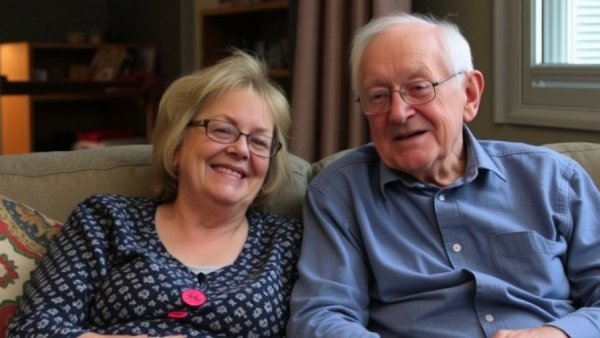
Finding Hope Amidst Alzheimer's Diagnosis
When facing the challenges of caring for aging loved ones, the decision to move closer to home can be a monumental one. For Natalie Bryan, 49, her move back to Oklahoma City in 2021 was a proactive step toward supporting her aging father, who had begun to show signs of cognitive decline. Like many, she was inspired by her personal experiences with dementia, including watching her grandmother struggle with Alzheimer's and observing friends navigating similar journeys with their parents. The emotional weight of these experiences served as a catalyst for her decision to return, bringing her family closer together.
The Importance of Early Detection
In 2024, Bryan's father, James Nelson, was diagnosed with mild cognitive impairment due to Alzheimer's disease. This early detection proved crucial, facilitating a treatment plan that he might not have qualified for had they delayed seeking medical advice. Dr. Anna Chodos, executive director of Dementia Care Aware, emphasizes that early interventions can lead to better outcomes, given that most Alzheimer's patients are often diagnosed too late for effective treatments. Early identification not only paves the way for timely medical interventions but also provides families like Bryan's a chance to prepare emotionally and practically for the potential challenges ahead.
Modern Treatments Transform Caregiving
The landscape for Alzheimer's treatment has shifted significantly with newer therapies such as Leqembi and Kisunla, which alter the disease's biological course. These treatments are groundbreaking in that they offer hopes of delaying cognitive decline and decreasing the overall caregiving burden. Bryan's father, under these medications, exhibited an unexpected resilience, showing no significant cognitive decline over 18 months of treatment. This shift in treatment paradigms has inspired a renewed sense of optimism among families coping with dementia.
This positive outcome diverges sharply from the expected decline observed in many Alzheimer’s patients. Bryan reflects, "Everyone else, like, with my grandmother and friends' parents, 18 months, you can see a significant decline. Really, we've been surprised." Such outcomes illuminate not only the potential of modern medicine to not only prolong life but enhance the quality of those years, but they also serve as a reminder of the ongoing research that continues to push the boundaries of what is possible in dementia care.
Support Systems for Caregivers
Caring for a loved one with Alzheimer's can be overwhelming. The AARP’s report indicates that 27% of caregivers support someone with memory-related impairments. With 63 million caregivers in the U.S., the necessity for robust support systems has never been greater. This aspect underscores the importance of community resources in Muskegon, where there are numerous caregiver community groups, emotional support groups, and comprehensive care strategies that are essential for reducing the burden on families navigating this reality. These support systems serve not only to provide practical assistance but also to foster a community of understanding and empathy, allowing caregivers to share their experiences, challenges, and triumphs.
The Role of Innovative Technologies
Amidst these advancements is an increasing reliance on digital tools tailored for elderly care, particularly for managing day-to-day challenges. Gadgets like smart home devices can greatly aid caregivers, ensuring safety and providing peace of mind. Features like fall detection alerts, medication reminders, and voice-activated systems can significantly ease daily management. Furthermore, wellness programs, fitness initiatives, and assisted living services in Muskegon are increasingly embracing smart technology, paving the way for innovative caregiving solutions that enhance the living experience of those facing cognitive challenges. These technologies not only assist with immediate care but also foster independence for patients, allowing them to maintain some semblance of their daily routines.
Conclusion: The Road Ahead
As we look to the future, the landscape for Alzheimer’s care is ripe with possibilities. Early diagnosis and evolving treatment options hold the potential for a quality of life previously deemed unattainable for many. Parents like Bryan’s father exemplify the promise of new medications, showcasing how personalized care can yield positive outcomes. And as families rally together, bolstered by community resources and technology, they foster hope and resilience in the face of Alzheimer’s. For those navigating similar paths, understanding available resources and embracing modern innovations are key steps toward more effective caregiving and support. As society moves forward, the focus must remain on both the patient and the caregiver, ensuring that support and understanding are always within reach.





Write A Comment