
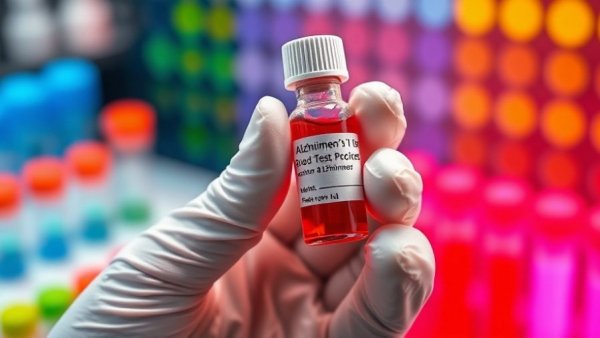
New Hope for Alzheimer’s Detection with a Simple Blood Test
A breakthrough study from the University of Pittsburgh is paving the way for a new era in Alzheimer’s diagnosis. Researchers have developed a blood test capable of screening 120 biomarkers linked to Alzheimer’s disease from a single sample. This innovative approach, published in the journal Molecular Neurodegeneration, could transform how physicians identify individuals at risk for cognitive decline.
Exploring the Significance of Early Detection
Currently, Alzheimer’s diagnosis primarily relies on expensive brain imaging scans or uncomfortable spinal taps. The introduction of the NULISAseq CNS Disease 120 Panel, developed by Alamar Biosciences, could change this by offering a less invasive and more accessible alternative. Through a single blood draw, the panel detects not just classical indicators like GFAP, NEFL, and phosphorylated tau, but also many other proteins related to neuroinflammation and vascular health.
Karikari, the senior author of the study, emphasized the importance of employing a broad spectrum of biomarkers. This method recognizes that Alzheimer’s disease cannot be viewed through a singular lens, as it emerges gradually through various biological pathways.
How the Test Works: A Closer Look
The NULISAseq platform operates using proximity extension technology, which allows it to determine minuscule protein concentrations within blood plasma. In a validation study involving 176 plasma samples from older adults, key proteins that traditional methods often miss were successfully identified. These include TIMP3, SOD1, and SQSTM1, showcasing the panel’s ability to capture early signs of dementia that may develop years prior to noticeable symptoms.
Transforming Alzheimer’s Management
This innovative blood test has the potential to change how Alzheimer’s is monitored and managed. By enabling early detection, healthcare providers would be able to initiate therapies sooner, when they are most effective at mitigating brain damage. This is crucial as scientific consensus indicates that early treatment is vital for improving outcomes.
Furthermore, identifying at-risk individuals early could also simplify participation in clinical trials. The ease of using a blood test instead of complex imaging could allow researchers to screen thousands of potential volunteers more efficiently, accelerating the development of new therapies.
Practical Implications for Caregiving
For caregivers and families facing Alzheimer’s, this blood test could signal a momentous shift in planning and support. Early identification allows families to better prepare for the journey ahead, making informed decisions about long-term health coverage and care solutions. In community support settings, understanding cognitive health early could enhance resource allocation in facilities and improve engagement within caregiver communities.
In Muskegon, where resources for elderly and Alzheimer’s care are crucial, the arrival of such tools signifies an opportunity for fostering connections between caregivers and health professionals. Embracing digital tools and technologies in senior aides can further enrich the caregiving experience.
Conclusion: A Step Towards Greater Awareness and Support
As the healthcare landscape evolves, so do the tools at our disposal. The NULISAseq blood test serves as a beacon of hope for those concerned about Alzheimer’s disease. It simplifies the diagnostics process, offers early detection capabilities, and ultimately promises better management of cognitive decline. For families and caregivers, staying informed and prepared is paramount.
For more information on elder care resources and Alzheimer’s support in Muskegon, consider exploring local programs and services that assist families and caregivers.





Write A Comment