
Understanding Autism’s Surge: A Multifaceted Perspective
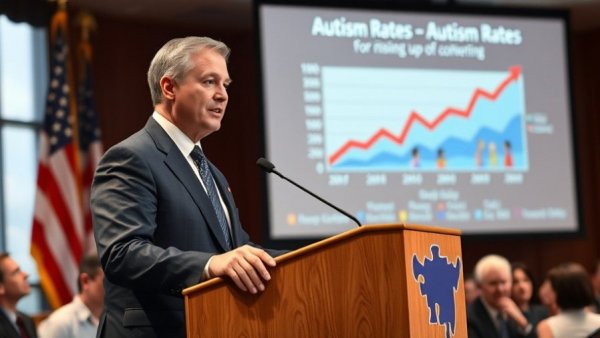
Autism spectrum disorder (ASD) is increasingly on the radar, with prevalence rates skyrocketing from just a few per 10,000 children in the mid-20th century to approximately 1 in 31 today. What accounts for this staggering rise? One notable figure, Amy Lutz, who has a deep personal connection through her son with autism, examines this complex issue, acknowledging the intense debate surrounding the topic. Many wonder if we are genuinely witnessing a boost in autism cases or if enhanced awareness and broader diagnostic criteria are contributing to this perception.
Historical Context: The Changing Definition of Autism
Historically, autism was labeled a rare developmental condition, primarily linked to severe communication impairments. An important turning point occurred around 2013, when the Diagnostic and Statistical Manual of Mental Disorders revised its criteria to encompass a wider range of symptoms, merging previously distinct diagnoses into the autism umbrella. This crucial change has effectively expanded the pool of individuals diagnosed with autism.
This broader definition means that what was once narrowly understood as autism now includes a variety of manifestations, from high-functioning individuals who can articulate their experiences and navigate the world relatively seamlessly, to those who face significant challenges every day. Consequently, the growing numbers can be partially attributed to this inclusive understanding, reflecting a shift in how society acknowledges and responds to diverse neurological profiles.
The Role of Awareness and Understanding
Joseph Buxbaum from Mount Sinai’s Seaver Autism Center highlights that the CDC’s surveillance data, while documenting rising autism rates, does not explain the underlying reasons for this trend. The broader definitions and the increasing awareness surrounding autism have led many to believe they recognize autism-related traits more readily than in past decades. This shift in perception is crucial, suggesting that as professionals are better trained to identify autism spectrum disorder, families are also becoming more informed about what to look for in their children.
This enhanced awareness has proven beneficial for many, as parents feel empowered to seek earlier interventions. The sooner children can access treatment, the more effective those treatments can be, often leading to better outcomes in social, emotional, and educational domains. Nevertheless, it’s also important to acknowledge that with more diagnoses comes a heavier burden on support networks, educational systems, and health resources, raising the question of whether society is adequately prepared to meet the growing demands.
The Impact of Environmental Factors
Ongoing research is shedding light on the role of environmental factors in the rising incidence of autism. While genetics certainly play a significant role—with numerous genes linked to ASD—scientists are also exploring how prenatal exposure to environmental toxins and maternal health can interact with genetic predispositions to affect neurological development. Evidence suggests that factors such as exposure to pollutants, maternal nutrition, and even maternal stress during pregnancy could influence the development of the brain in ways that lead to autism.
Communities are increasingly calling for better prenatal care and the provision of resources aimed at minimizing risk factors. This might include advocating for cleaner environments, better access to healthcare for pregnant women, and public health campaigns aimed at educating expectant mothers on the potential risks of environmental toxins. Addressing these factors is not just about managing autism rates; it's about ensuring the healthy development of children from the very start of their lives.
Advocating for Autism Treatment and Support in Muskegon
As the conversation about autism continues to evolve, so too do the resources available for both families and individuals affected by ASD. In Muskegon, local autism therapy centers are ramping up efforts to provide personalized autism treatment, while neighborhoods are working toward becoming sensory-friendly venues. These initiatives play a vital role in ensuring that autistic individuals can navigate their communities with ease and support.
Local advocates are also pushing for inclusive practices in schools, emphasizing the importance of individualized education programs (IEPs) that cater to each child's unique needs. Programs that focus on social skills development, emotional regulation, and functional communication are paramount as they help those diagnosed with autism to thrive in educational settings and beyond.
The Community Response: Collaboration and Understanding
Community support is essential for enhancing the quality of life for those with autism and their families. Local organizations in Muskegon are collaborating on events to promote autism awareness and advocacy, engaging the wider community in understanding the intricacies of autism spectrum disorders. Through workshops and support groups, families are embracing practical autism parenting strategies, shedding light on recognizing crucial signs such as language delays and behavioral manifestations. Such grassroots efforts foster a supportive atmosphere where social interactions can thrive.
Moreover, local businesses are becoming more involved in autism awareness initiatives, offering training for employees on how to interact with customers who may be on the spectrum. This enrichment of community involvement is invaluable, helping to dismantle the stigma that surrounds autism and reinforcing the notion that acceptance and understanding are vital components of a supportive society.
Concluding Thoughts: Together Towards Acceptance
As society grapples with the rising prevalence of autism, it’s evident that understanding and acceptance are paramount. Recognizing the increasing rates of diagnosis is only one part of the conversation; we must advocate for better support systems and practical resources for navigating autism in everyday life. From effective communication aids to autism-inclusive educational methods, fostering an environment of acceptance and understanding can help build more inclusive futures.
For those interested in finding tailored resources, such as adult autism services or sensory-friendly venues in Muskegon, various local groups offer tools and guidance to help connect families and individuals to the right support. Active engagement in community events not only enriches the lives of those affected by autism but also strengthens community bonds, nurturing an enhanced social fabric where everyone feels valued and understood.





Write A Comment