
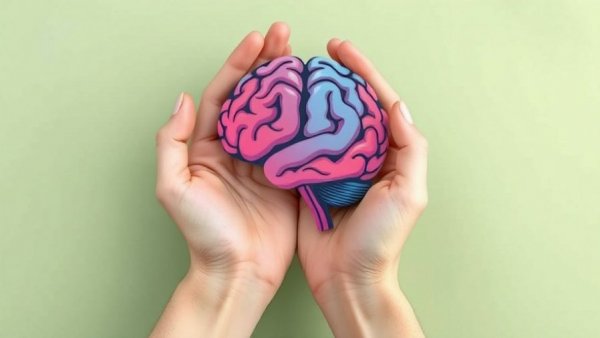
The Intersection of Autism and Justice
As the mental health landscape continues to evolve, one pressing concern remains: how individuals on the autism spectrum are treated within the justice system. Recent studies have underscored the complexity behind the motives and behaviors of autistic individuals. Understanding these nuances plays a significant role in creating fair sentencing outcomes. This exploration reveals not just the culpability of the individual, but the broader societal implications and the urgent need for a more compassionate judicial framework.
Common Misconceptions About Autism in the Context of Crime
Throughout various discussions on crime and justice, there exists a misconception that individuals on the autism spectrum are inherently dangerous or deceitful. In reality, autism presents a unique set of cognitive processing capabilities which can often result in misunderstandings regarding intentions or behaviors. It is crucial to recognize that while all individuals deserve accountability, the mitigation associated with autism must be considered to ensure justice is served fairly.
It is vital to acknowledge that autistic individuals may struggle with social cues, which can lead to unintentional violations of laws or social norms. For example, an autistic person might not fully grasp how their actions may be interpreted by others, leading to situations that offend societal rules. This misinterpretation often feeds the bias that autism equates to criminality, overshadowing the diverse challenges that autistic individuals face.
Social Connections: The Impact on Individuals and Families
The ripple effects of crime and sentencing extend far beyond the individual. For families of autistic individuals, the stigma can be debilitating. Navigating the legal landscape can be incredibly daunting, and the fear of exposure often leads to isolation. Families may find themselves wrestling not only with the legal consequences of a loved one’s actions but also with the societal judgment that accompanies autism. Communities must foster environments that actively reduce stigma and promote understanding, providing support systems for both the individual and family members who face challenges related to autism.
Support networks, such as local autism organizations and community support groups, can play an essential role in helping families cope during these challenging times. These networks not only foster connections among those enduring similar obstacles, but they also help to educate community members about autism, thereby combating stereotypes and myths.
Future Predictions: Evolving the Justice System for Neurodiversity
Looking ahead, the changing tide in the understanding of mental health, including autism, could lead to significant reforms in legal practices. Increased advocacy for neurodivergent rights may introduce specialized training for law enforcement and court officials, helping them better understand the unique perspectives of autistic individuals. This shift towards empathy will not only help in fairer treatment during trials but could also lead to alternative sentencing options that prioritize rehabilitation over punishment.
The potential for an autism-informed justice system could change the very foundation of how legal proceedings are managed. Future court systems may adopt practices that allow for pre-trial diversion programs focusing on therapy and community service rather than standard punitive measures. Such initiatives could allow for constructive outcomes that benefit both the individual and society.
Insights Into Autism Support Resources in Muskegon
For those looking for support in Muskegon, numerous resources provide invaluable assistance for autistic individuals and their families. From autism therapy centers in Muskegon to personalized autism treatment options, there is a wealth of services available aimed at improving the quality of life for those affected by autism. These resources not only offer therapy but also provide emotional support and guidance on navigating social interactions, effectively managing meltdowns, and addressing communication challenges.
Local organizations often host workshops aimed at educating parents and caregivers on autism-related issues, providing them with skills and strategies to better support their loved ones. Furthermore, schools in Muskegon are increasingly adopting inclusive practices, ensuring that autistic students receive the support they need and are equipped with tools to succeed academically and socially.
Building a Brighter Future: Advocacy and Community-Based Efforts
Community advocacy is key in ensuring that individuals on the autism spectrum are adequately represented and understood. Local advocacy organizations are working tirelessly to create awareness and educate the public about autism. Events focusing on autism awareness and resources for recognizing autism burnout are essential in spreading knowledge and improving community support. By actively participating in these initiatives, communities can build inclusive spaces where every individual has the opportunity to thrive.
Moreover, community outreach efforts can empower families and autistic individuals by giving them platforms to share their stories, fostering a collective understanding of the diverse experiences that come with being on the autism spectrum. As awareness increases, so too does the potential for positive change within the justice system and beyond, leading to a more just and compassionate society.





Write A Comment