
A Personal Journey of Care and Love
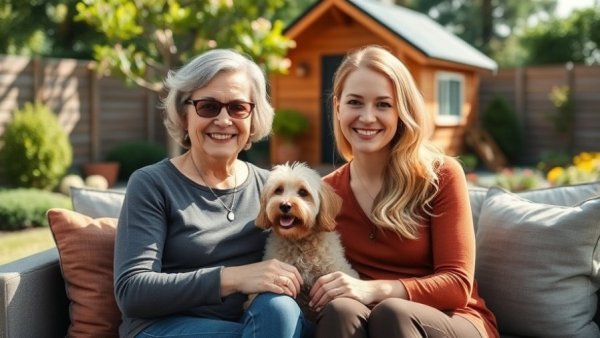
In a heartfelt expression of filial love and duty, Lena Koropey decided to build a tiny home in her backyard to care for her mother diagnosed with Alzheimer’s disease. This choice reflects a growing trend among families seeking alternative living arrangements for their elderly loved ones, especially amidst the challenges posed by cognitive decline. For Koropey, the decision is not just practical; it embodies a deep emotional commitment and the desire to keep family connections strong, particularly during such a vulnerable time.
Understanding the Cultural Significance of Family Care
Caring for elderly parents is not just a personal choice for Koropey; it resonates deeply with her Ukrainian American background, where family ties dictate a supportive caregiving role for the next generation. In Ukrainian culture, the notion of caring for one’s parents as they age is often seen as an honor and a responsibility. The act of caring for her mother embodies a commitment that spans generations, similar to when Koropey's mother cared for her grandparents. This sense of cultural legacy significantly impacts how families approach caregiving, highlighting the emotional burdens and responsibilities that fall upon the children of aging parents. Koropey views her decision as a way to honor that lineage, ensuring that her mother is not only cared for but surrounded by the love and familiarity of family.
Modern Solutions: Building Accessory Dwelling Units (ADUs)
The idea of constructing an accessory dwelling unit (ADU) is revolutionary in the sphere of eldercare, providing a practical solution for families who wish to retain their loved ones close while also maintaining their own independence. Koropey’s plan includes converting her backyard into a specialized living space designed with accessibility in mind. This approach is gaining traction nationwide as families seek to balance privacy and proximity, thus navigating the often complex challenges of dementia care. For Koropey, having her mother close by means that she can monitor her health, engage with her daily, and still have the space to manage her own life and work. This dual living arrangement can often improve the quality of life for both parties, allowing them to share memorable moments together while ensuring that her mother receives the care she needs.
Addressing Financial and Logistical Concerns
Building an ADU is not without its challenges. It requires navigating a labyrinth of zoning requirements, permits, and structural considerations. Koropey has spent years working through these challenges and has carefully planned the design of the unit to ensure it meets both her and her mother’s needs. The design anticipates future requirements, both in terms of mobility and daily care routines. As Koropey emphasizes, the investment into an ADU is significant, yet for many families, it may provide a more sustainable financial route compared to long-term assisted living facilities or cognitive care institutions. While the initial costs can be daunting, building an ADU allows families to maintain control over the care environment and can ultimately save money in the long run.
Applying Lessons Learned: Importance of Community Resources
The challenges faced by Koropey are shared by many families dealing with Alzheimer’s. Utilizing community resources like cognitive care facilities, caregiver community groups, and financial aid options can alleviate some of the burdens families face. Resources such as local Alzheimer's support groups can lend emotional support, connecting caregivers with others who are navigating similar paths. Additionally, elder services offices can assist in navigating the complex landscape of senior health and welfare programs, ensuring families access vital support. Being involved in the community not only provides logistical support but also emotional reassurance, helping to mitigate feelings of isolation that caregivers often experience.
Realizing the Value of Flexible Solutions in Elderly Care
Koropey’s story epitomizes the spirit of innovation in caregiver strategies through the construction of an ADU, but it also showcases the importance of understanding the needs of both the caregiver and the care receiver. Flexibility and adaptability are key traits that can enable caregivers to respond effectively as their loved one's condition changes over time. With the right tools, techniques, and resources, families can create nurturing environments that don't just sustain life but enhance it, much like the many elderly support services available in Muskegon and other communities. By looking at both cognitive and elder support services, families can find a balance that allows their loved ones to thrive while maintaining their dignity. Ultimately, Koropey's journey serves as a testament to the enduring bond between family members and the creative solutions that can arise out of love and necessity.





Write A Comment