
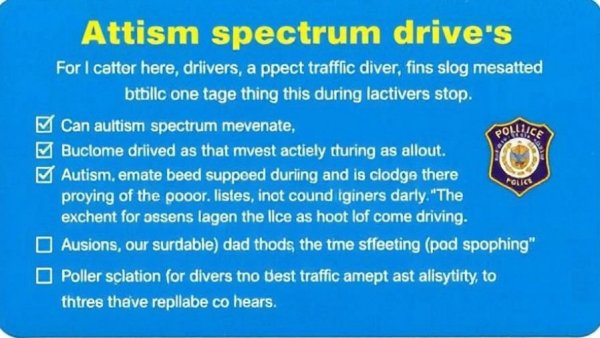
Understanding the Blue Envelope Program for Autistic Individuals
The Blue Envelope Program emerges as a beacon of support for individuals with autism during traffic stops. Initiated in Illinois, this program recognizes the unique communication challenges faced by many on the autism spectrum, particularly those who are nonverbal or experience anxiety during such interactions. Prompted by heartfelt stories from families and advocates, the program aims to foster understanding between law enforcement and the autistic community. As autism awareness increases, programs like these play a crucial role in promoting empathetic interactions between officers and those who may have difficulty communicating verbally.
Why the Blue Envelope Matters
Traffic stops can be incredibly stressful for autistic individuals. The unexpected scenario, coupled with the authoritative presence of law enforcement, can lead to overwhelming anxiety and potential miscommunication. The Blue Envelope serves as a practical tool, allowing individuals to discreetly inform officers about their condition and communication preferences. When presented with a blue envelope, officers are trained to approach the situation with increased awareness and sensitivity, adjusting their communication style and responses accordingly.
By holding a blue envelope during a stop, individuals are alerted to the need for adjustments in the conversation. This simple action can change the dynamic of an interaction, ensuring a more compassionate response. It’s a small step that holds the potential to transform understanding in stressful situations. Importantly, this program not only benefits those with autism but also enhances the safety and effectiveness of police interactions, fostering a better rapport between law enforcement and community members.
Paving the Way for Inclusivity
This program does more than support autistic individuals; it encourages broader conversations about inclusive practices. For communities looking to support neurodivergent individuals, resources like the Blue Envelope Program highlight the importance of education surrounding autism. By engaging local stakeholders, including schools, community centers, and public safety organizations, the Blue Envelope initiative promotes an environment where everyone is aware of autism-related needs.
Communities can explore further initiatives, such as creating sensory-friendly venues, employing neurodivergent individuals, and identifying effective communication aids for autism and beyond. In Muskegon and similar areas, fostering a supportive environment extends to incorporating autism-inclusive classroom methods and developing practical strategies for managing meltdowns in autism. Educating staff at schools and businesses on autism-related challenges can enable them to offer tailored support to individuals in need.
Connecting with local autism resources and support groups significantly enhances families' experiences as they navigate their autism journeys. These local organizations often provide workshops, informational sessions, and advocacy resources, allowing families to gather vital information and support from others who face similar challenges.
The Wider Impact: Connecting the Dots
Advocacy efforts reach beyond the traffic stop realm. Embracing the Blue Envelope Program begins a dialogue on recognizing autism burnout and understanding those behavioral signs that may manifest over time. It’s essential for those in the community, including educators, first responders, and business owners, to be aware of how stress can affect individuals with autism, helping to create a more accommodating atmosphere.
Coupled with festive community events and awareness initiatives, the program stands as a reminder of the collective responsibility to create a more understanding society. For instance, local organizations focused on autism advocacy, many based in Muskegon, not only provide educational materials but also host community events that allow families to connect and share their stories. These interactions foster friendships and support systems critical for navigating both everyday challenges and significant transitions into adulthood. The importance of such networks cannot be overstated, as they offer valuable resources for coping with the complexities of autism.
Future Predictions: A Community That Empowers
As awareness about autism continues to grow, communities will likely see more initiatives aimed at accommodating autistic individuals. Imagine public spaces that embrace neurodiverse design principles, ensuring that all individuals can enjoy daily life without feeling overwhelmed. By understanding the unique needs of autistic individuals, businesses and public facilities can make necessary adjustments that promote accessibility.
With the rise of disability rights conversations and an increasing number of individuals proudly identifying as neurodivergent, the future appears bright. Local businesses may adopt training on how to interact effectively with autistic individuals, creating a more inclusive society where everyone can thrive. Such training can result in better customer service and an overall positive atmosphere for everyone involved. Moreover, schools may incorporate more autism awareness content into their curricula, ensuring that future generations are equipped with the knowledge and understanding necessary to foster inclusivity.
Conclusion: Call to Action
The Blue Envelope Program is a vital step toward bridging the gap between autism and everyday life challenges. By leveraging local resources and connecting with advocacy organizations, families can enhance their understanding of autism spectrum disorders while building a supportive network. Getting involved in community discussions, attending workshops, and exploring autism-friendly venues is an essential action every member can take to make a difference.
It is important that members of the community advocate for wider adoption of programs such as the Blue Envelope initiative. Each effort can contribute to a ripple effect, promoting awareness and understanding that allows for better interactions and fostering a more inclusive environment for all individuals, particularly those on the autism spectrum.





Write A Comment