
Improving Alzheimer’s Detection: A Crucial Step for Families
Alzheimer's disease poses a growing challenge in the United States, affecting more than 7 million people, including nearly 600,000 in Florida alone. The landscape of Alzheimer’s care is changing, thanks in part to advancements in medical research and technology. However, the average waiting time for a dementia diagnosis currently stands at 3.5 years, during which families are often left in distress and uncertainty. This delay significantly undermines the possibility for early intervention, planning, and maintaining a quality of life, forcing caregivers to respond to crises rather than proactively manage the disease.
Utilizing New Technologies for Early Detection
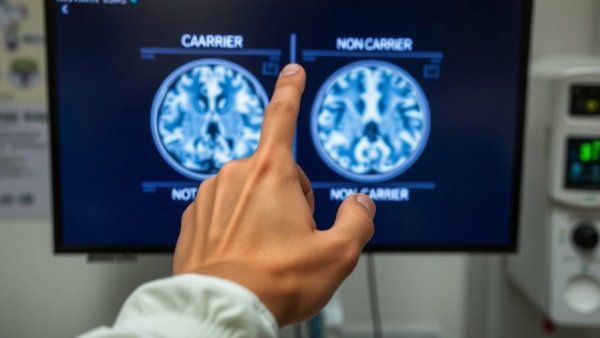
Recent advancements in medical technology provide an opportunity to shorten this wait time and improve outcomes for patients. For instance, new blood tests can detect biological markers associated with Alzheimer's through simple blood draws, allowing for quicker diagnoses and earlier treatment options. Advanced imaging techniques, including MRI and PET scans, are also helping healthcare professionals identify subtle changes in the brain, such as amyloid plaques and neurofibrillary tangles, before significant cognitive decline occurs. By modernizing our approach to diagnosis and treatment, we can give families more time to prepare and optimize care options, making life with Alzheimer’s more manageable. This proactive stance not only aids in medical care but can also enhance emotional well-being by fostering connections during functional times.
Standardizing Assessments: A Game-Changer
The inconsistency in cognitive assessments across different healthcare practices can lead to missed early signs of Alzheimer’s. Currently, there is a wide variation in the tools used, and many primary care physicians may not prioritize cognitive screenings during routine visits. Standardizing these evaluations during annual wellness visits could greatly enhance detection rates. By making cognitive health checks a norm—just as regular checks for blood pressure and cholesterol are—healthcare systems can better align with advancing medical knowledge and ensure that practitioners are equipped to identify early symptoms. Such changes could also lead to a more coordinated approach among healthcare providers, improving the response times to patient needs.
The Financial and Emotional Toll on Families
The financial implications of late intervention can be staggering. In Florida, a year in a skilled nursing facility can cost upwards of $120,000, compounded by the emotional affiliations families have established. The burden of such expenses often drives families to make difficult choices, leading to stress and emotional strain. By facilitating earlier diagnosis and care, families could potentially delay the need for these expensive facilities, thus improving their quality of life and reducing undue financial burdens. Moreover, early intervention strategies tailored toward maintaining independence, such as home care services, can extend a family's time together, which is priceless when it comes to emotional connections.
Empowering Caregivers: The Support Systems in Muskegon
In communities like Muskegon, various support programs are essential for effectively managing Alzheimer’s. Resources including senior care solutions and caregiver community groups play a pivotal role in assisting families through this challenging journey. Local initiatives like the Muskegon elder services office and caregiver education programs offer a wealth of information and practical advice on caregiving strategies, emotional support, and fostering community engagement. Encouragement and assistance are critical, as caregivers often face feelings of isolation and stress themselves. By connecting caregivers with the right resources and support networks, communities can create a more nurturing environment for both the sick and the healthy.
Looking Ahead: What Can Be Done?
As the fight against Alzheimer’s evolves, there is an urgent need for advocacy in policy-making that addresses the gaps in diagnosis and care. Those involved in elderly support services must push for Medicare to adopt modernized standards for cognitive health assessments. This not only would minimize the delay in diagnoses but also allow families to explore treatment options more thoroughly, enabling them to navigate the complexities of Alzheimer’s with more information and better resources at their disposal. Earlier intervention opportunities and standardized assessments represent critical steps in reshaping the approach to Alzheimer’s disease, focusing on alleviating burdens and enhancing quality of life for all involved.





Write A Comment